 Skip to content
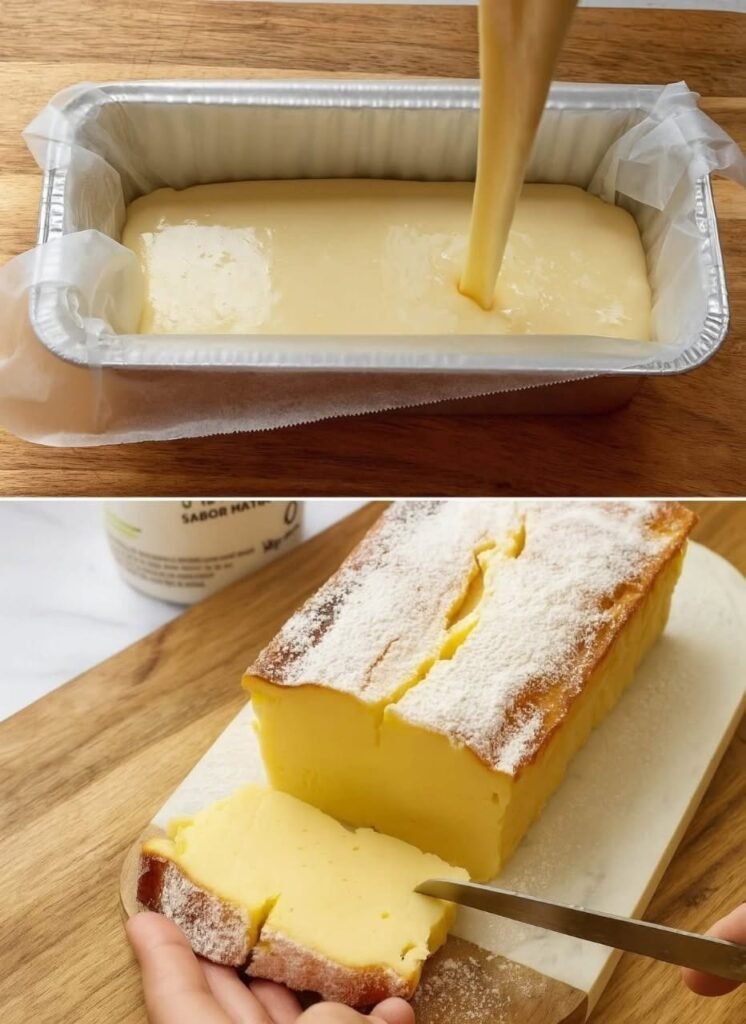
Low Calorie Greek Yogurt Cake Finding a dessert that is both satisfying and high in protein can sometimes be challenging. Many protein cake recipes rely heavily on protein powder, which can change the texture and flavor. This Low Calorie Greek Yogurt Cake is different. Instead of depending on protein powder, it uses high-protein Greek yogurt as the main ingredient to create a soft, moist cake with a naturally rich texture.
I enjoy making this recipe whenever I want something simple that feels like a homemade treat without requiring a long list of ingredients. It comes together quickly, uses pantry staples, and only takes a few minutes to prepare before going into the oven. The result is a lightly sweet cake that works well as a dessert, snack, or even a breakfast option with a cup of coffee or tea.
One of the things I appreciate most about this cake is its versatility. It can be baked as a traditional cake, poured into a loaf pan, or divided into muffin cups for individual servings. The recipe is forgiving, making it suitable for both beginner and experienced home bakers.
Table of Contents
Why This Recipe Works
- The combination of eggs and Greek yogurt creates a cake that is naturally rich in protein while keeping the crumb soft and tender. A small amount of flour provides structure, cornstarch helps produce a lighter texture, and baking soda gives the cake enough lift without making it overly airy.
- Vanilla extract adds warmth and sweetness to the flavor, while an optional sweetener allows you to adjust the sweetness according to your preference. Since different brands of Greek yogurt vary in taste, adding a sweetener can help balance the final flavor if needed.
- This recipe is also an excellent choice when you want a lighter dessert that doesn’t feel overly heavy. Even without frosting, it has a pleasant texture and delicate vanilla flavor.
Choosing the Right Greek Yogurt
- Greek yogurt is the star ingredient, so selecting a good-quality variety makes a noticeable difference. A high-protein Greek yogurt provides the best texture while helping maintain the cake’s protein content.
- Low-fat Greek yogurt is my preferred option because it creates a moist cake without becoming overly dense. Non-fat Greek yogurt also works well, and if both are available, combining the two creates a balanced texture that remains soft after baking.
- Since the yogurt contributes most of the flavor, choose one that tastes good on its own. If the yogurt is very tangy and you prefer sweeter desserts, increasing the optional sweetener slightly can help create a more balanced cake.
Ingredients That Keep It Simple
- One reason I return to this recipe often is because every ingredient has a clear purpose. There are no unnecessary additions or complicated techniques involved.
- The eggs help bind everything together while providing structure and richness. Greek yogurt contributes moisture, protein, and a creamy consistency. Flour gives the batter enough stability, while cornstarch keeps the finished cake lighter than using flour alone.
- Vanilla extract adds a pleasant aroma that complements the yogurt beautifully, and baking soda provides just enough rise during baking.
- If you would like to increase the protein even further, adding half to one scoop of a complementary protein powder is optional. The cake still turns out well without it, making this recipe ideal for anyone who wants a naturally higher-protein dessert.
Preparing the Batter
- Making the batter requires very little effort. Everything can be mixed in a bowl using a whisk, or blended in a blender or food processor if you prefer an even smoother consistency.
- I usually use whichever option is most convenient. A blender speeds up the process, but a simple mixing bowl works just as well. The important thing is to mix only until the ingredients are fully combined.
- Overmixing is unnecessary because the batter comes together quickly. Once the flour disappears and the mixture looks smooth, it is ready to pour into the prepared pan.
- The finished batter should have a creamy consistency without any visible lumps.
Selecting the Baking Pan
- Another advantage of this recipe is that it adapts easily to different baking pans.
- A loaf pan creates neat slices that are perfect for breakfast or snacks throughout the week. A small round cake pan gives the dessert a more traditional appearance, while muffin tins are convenient when you want individual portions.
- Regardless of the pan you choose, preparing it properly helps prevent sticking. A non-stick pan generally requires only a light coating of cooking spray. If using a regular baking pan, lining it with parchment paper makes removing the cake much easier after baking.
- When using parchment paper in a loaf pan, trimming the corners before placing it inside helps it fit neatly against the sides. This simple step saves time later and makes lifting the cake out much easier.
Optional Toppings Before Baking
- Although the cake is delicious on its own, adding a topping before baking is an easy way to create a little extra flavor.
- A handful of sugar-free chocolate chips melts into the surface, giving every slice a touch of chocolate. Ground cinnamon creates a warm aroma and pairs beautifully with the vanilla flavor.
- You can also leave the batter plain if you prefer a simple cake. Because the base recipe has a mild flavor, it works well with many different toppings after baking too.
- The cake can be served exactly as it comes out of the oven, dusted lightly with cinnamon, or enjoyed with your favorite frosting if you’re preparing it for a special occasion.
Baking the Greek Yogurt Cake
- Once the batter is poured into the prepared pan, it is ready for the oven. I bake the cake in a preheated oven at 350°F (176°C) until the top is lightly golden and the center is fully set. The exact baking time depends on the pan you choose, so it’s always a good idea to start checking the cake a few minutes before the recommended time.
- For a standard 6-inch round cake pan, the cake usually takes about 30 to 35 minutes. If I bake it in a loaf pan, it is generally ready in about 25 minutes. When making muffins, they bake much faster, usually within 10 to 15 minutes.
- A simple way to check if the cake is done is by inserting a toothpick into the center. If it comes out clean or with just a few moist crumbs attached, the cake is ready to come out of the oven. Avoid overbaking, as this can make the cake drier than intended.
Cooling for the Best Texture
- As tempting as it is to slice into the cake immediately, allowing it to cool first makes a noticeable difference. Fresh from the oven, the cake is soft and delicate. As it cools, it firms up slightly while staying moist inside.
- I usually let it cool in the pan for several minutes before transferring it to a wire rack to cool completely. This helps prevent the cake from breaking while it’s still warm.
- Interestingly, I think this cake tastes even better after it has been chilled for a while. Once cooled completely, I like to place it in the refrigerator for a short time before serving. The chilled texture becomes slightly denser and creamier, making each slice especially enjoyable.
Serving Ideas
- One of my favorite things about this recipe is how easy it is to serve in different ways. On busy mornings, I simply cut a slice and enjoy it with coffee or tea. Since the cake is made with Greek yogurt, it feels lighter than many traditional desserts while still being satisfying.
- It also makes a wonderful afternoon snack. Because it isn’t overly sweet, it pairs nicely with fresh fruit or a warm drink.
- When serving it as dessert, there are plenty of simple ways to dress it up. A sprinkle of ground cinnamon adds warmth, while sugar-free chocolate chips provide a little extra sweetness. If you’re making the cake for guests or a celebration, adding your favorite protein frosting after the cake has cooled creates a richer dessert without changing the base recipe.
- Even served plain, the cake has a soft texture and delicate vanilla flavor that doesn’t need much else.
Optional Protein Powder
- Although this recipe is designed to work beautifully without protein powder, there is room for customization if you’d like to increase the protein content.
- Adding ½ to 1 scoop of a complementary protein powder is completely optional. It blends easily into the batter and slightly increases the overall protein while keeping the recipe simple. If you decide to include it, choose a flavor that pairs well with vanilla and Greek yogurt.
- The cake is still delicious without protein powder, which is one of the reasons I continue to make this version regularly. The Greek yogurt already contributes a generous amount of protein, allowing the recipe to stand on its own.
Helpful Baking Tips
- A few simple tips can help ensure consistent results every time.
- Start by using room-temperature eggs whenever possible. They blend more smoothly with the yogurt and help create an even batter.
- Measure the flour and cornstarch carefully rather than packing them into the measuring cup. Too much flour can make the cake heavier than intended.
- Once all the ingredients are mixed together, stop stirring as soon as the batter becomes smooth. Overmixing isn’t necessary and can slightly affect the final texture.
- If your Greek yogurt has released a little liquid while sitting in the refrigerator, give it a quick stir before measuring. This helps maintain the proper consistency of the batter.
- Preparing the baking pan before mixing the ingredients also makes the process easier. Once the batter is ready, it can go directly into the oven without waiting.
Storing Leftovers
- If there are leftovers, they store very well. Once the cake has cooled completely, I place it in an airtight container and keep it in the refrigerator. It stays fresh for several days and remains moist thanks to the Greek yogurt.
- Because the cake has a tender texture, it’s easy to slice directly from the refrigerator whenever you want a quick snack or dessert.
- If you prefer to enjoy it warm, simply let a slice sit at room temperature for a few minutes before serving. Either way, the flavor remains delicious.
Why I Keep Coming Back to This Recipe
- There are countless cake recipes available, but this one has earned a permanent place in my kitchen because of its simplicity and reliability.
- It doesn’t require expensive ingredients or complicated techniques. Everything comes together in just a few minutes, making it an excellent choice when I want homemade baking without spending hours in the kitchen.
- The balance of Greek yogurt, eggs, flour, cornstarch, vanilla, and baking soda creates a cake that feels both light and satisfying. The optional sweetener lets me adjust the sweetness to suit my taste, and I can easily customize the topping depending on the occasion.
- Whether baked in a cake pan for dessert, a loaf pan for easy slicing, or a muffin pan for portable servings, the recipe consistently delivers a soft, moist texture that everyone enjoys.
- This Greek Yogurt Cake proves that a delicious homemade dessert doesn’t need a long ingredient list or complicated preparation. With just a handful of everyday ingredients and a little time in the oven, it’s possible to create a cake that’s simple, flavorful, and naturally higher in protein.
- Whenever I want an easy homemade bake that fits into everyday life, this is one of the recipes I reach for first. It’s quick to prepare, versatile enough for different occasions, and tastes just as good chilled as it does fresh from the oven. Every slice offers a soft texture, gentle vanilla flavor, and the creamy richness that only Greek yogurt can provide, making it a dependable recipe I’ll continue making again and again.
Low Calorie Greek Yogurt Cake — Detailed Recipe Card
- Style: Soft, moist, light dessert cake
- Servings: 10 slices
- Calories: Approximately 110–140 calories per slice (varies by ingredients used)
- Protein: Approximately 6–8g per slice
- Prep Time: 15 minutes
- Bake Time: 40–45 minutes
- Difficulty: Easy
About This Cake
- This low-calorie Greek yogurt cake is a soft, fluffy dessert made with protein-rich Greek yogurt instead of heavy oils or butter. The yogurt keeps the cake moist while adding extra protein, making it a lighter option for breakfast, snacks, or a guilt-free dessert.
- It has a mild vanilla flavor with a slightly creamy texture. You can customize it with berries, cinnamon, lemon zest, or a small amount of dark chocolate.
Ingredients
Wet Ingredients
- 1½ cups (350g) plain nonfat Greek yogurt
- 2 large eggs
- ½ cup low-calorie sweetener (erythritol, monk fruit blend, or stevia baking blend)
- 1 teaspoon vanilla extract
- 2 tablespoons fresh lemon juice (optional, adds freshness)
- 1 teaspoon lemon zest (optional)
Dry Ingredients
- 1½ cups oat flour (about 150g)
- Alternative: Blend rolled oats into flour
- 1½ teaspoons baking powder
- ½ teaspoon baking soda
- ¼ teaspoon salt
- 1 teaspoon cinnamon (optional)
Step-by-Step Instructions
- Prepare the Oven and Pan
Preheat your oven to 175°C (350°F).
Line an 8-inch (20cm) round cake pan with baking paper.
Lightly spray the sides with cooking spray or brush with a small amount of oil.
Mix the Wet Ingredients
Add Greek yogurt to a large mixing bowl.
Add eggs, sweetener, vanilla extract, lemon juice, and lemon zest.
Whisk until the mixture becomes smooth and creamy.
Tip: Make sure the yogurt is at room temperature for a smoother batter.
Combine Dry Ingredients
In another bowl, mix:
Oat flour
Baking powder
Baking soda
Salt
Cinnamon (if using)
Mix well so the baking powder spreads evenly throughout the flour.
Make the Batter
Slowly add the dry ingredients into the yogurt mixture.
Stir gently until combined.
Do not overmix — too much mixing can make the cake dense.
The batter should be thick but spreadable.
Add Extra Flavors
Fold in your chosen additions:
Fresh berries for a fruity cake
Cocoa powder for chocolate flavor
Cinnamon for a warm spice flavor
Bake
Pour batter into the prepared cake pan.
Smooth the top with a spatula.
Bake for 40–45 minutes.
Check by inserting a toothpick into the center. It should come out clean or with a few moist crumbs.
Cool and Serve
Allow the cake to cool in the pan for 15 minutes.
Transfer to a plate or cooling rack.
Slice into 10 portions.
For the best texture, refrigerate for 1–2 hours before serving. The cake becomes slightly firmer and creamier
Approximate Nutrition (Per Slice)
(Based on 10 slices using nonfat Greek yogurt and a zero-calorie sweetener)
- Calories: 120 kcal
- Protein: 7g
- Carbohydrates: 16g
- Fat: 2g
- Fiber: 2g
- Sugar: 2–4g