 Skip to content
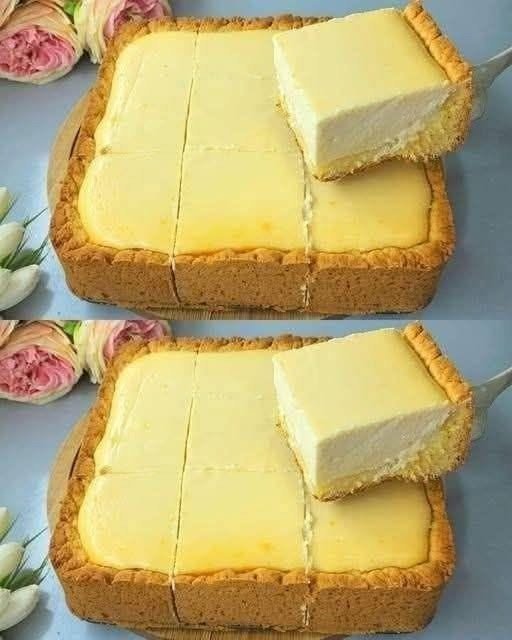
A Classic Italian Custard Tart Made in a Home Kitchen
Torta della Nonna is one of those timeless desserts that proves simple ingredients can create something truly memorable. This traditional Italian tart combines a delicate, buttery pastry with a rich vanilla pastry cream filling, creating a dessert that is elegant without being complicated. Every slice offers a perfect balance of crisp pastry and silky custard, while a scattering of pine nuts on top gives the tart its signature appearance and a subtle nutty flavor.
Although this dessert is well known throughout Italy, it feels perfectly suited to a home kitchen. It does not rely on complicated decorating techniques or specialty ingredients. Instead, it is built from everyday pantry staples that come together to produce a dessert worthy of any special gathering or family meal. Once dusted generously with powdered sugar, the finished tart has a beautiful rustic look that makes it just as suitable for holidays as it is for a relaxed weekend dinner.
This recipe follows the traditional preparation method while keeping every step approachable. The pastry is lightly flavored with fresh lemon zest, giving it a delicate citrus aroma that complements the creamy filling without overpowering it. The pastry cream is smooth, rich, and full of vanilla flavor, creating a filling that remains soft and luscious after baking.
Table of Contents
Why This Recipe Works
- One of the reasons I enjoy making this tart at home is its dependable results. Every ingredient has an important role, and together they create a dessert with wonderful texture and flavor.
- The pastry contains cold butter, flour, sugar, egg, egg yolk, baking powder, lemon zest, and a pinch of salt. These simple ingredients produce a dough that bakes into a tender yet sturdy crust capable of holding the creamy filling without becoming soggy.
- The pastry cream uses whole milk, egg yolks, sugar, flour, and vanilla extract. As it cooks, the mixture thickens into a smooth custard that slices beautifully once chilled. The filling stays creamy while remaining firm enough to hold its shape when served.
- The pine nuts scattered across the surface provide the traditional finishing touch. During baking they develop a delicate golden color and add a gentle crunch that contrasts beautifully with the creamy center.
Understanding the Ingredients
- Every ingredient contributes to the final texture and flavor, so measuring carefully makes a noticeable difference.
- Whole Milk
- Whole milk produces the richest pastry cream. Its higher fat content creates a smooth, creamy consistency that complements the buttery crust. Lower-fat milk can be used if necessary, but the filling will not have quite the same luxurious texture.
- Vanilla Extract
- Good-quality vanilla extract gives the pastry cream its warm, classic flavor. Because the recipe uses only a few ingredients, choosing pure vanilla extract helps create a more balanced and natural taste.
- Egg Yolks
- Egg yolks are essential in both the pastry cream and the crust. They enrich the dough, deepen the color, and give the custard its silky consistency. They also contribute to the smooth mouthfeel that makes this tart so satisfying.
- Granulated White Sugar
- Granulated white sugar sweetens both the pastry and the filling without competing with the delicate vanilla and lemon flavors. It dissolves easily into the custard, creating a smooth finish without graininess.
- All-Purpose Flour
- Flour serves two different purposes in this recipe. In the pastry cream it acts as the thickening agent, while in the crust it provides structure. Accurate measuring is important because too much flour can produce a heavy texture, while too little may prevent the custard from setting properly.
- Unsalted Butter
- Cold unsalted butter creates the flaky, tender texture of the crust. Keeping the butter cold before mixing helps produce small pockets throughout the dough, resulting in a pastry that bakes beautifully without becoming dense.
- Lemon Zest
- Fresh lemon zest brightens the pastry with a gentle citrus fragrance. It adds freshness while allowing the vanilla filling to remain the star of the dessert.
- Baking Powder
- Only a small amount of baking powder is required. It helps keep the crust light without changing its traditional texture.
- Salt
- Even in sweet baking, a small pinch of salt enhances the overall flavor and balances the sweetness.
- Pine Nuts
- Pine nuts are the traditional topping for Torta della Nonna. Their mild flavor pairs naturally with the buttery pastry and creamy filling. Soaking them briefly before baking helps prevent excessive browning.
Preparing the Pastry Cream
- The pastry cream should always be prepared first so it has enough time to cool completely before assembling the tart.
- Begin by gently heating the milk together with the vanilla extract until it almost reaches a boil. The milk should be hot but not boiling vigorously.
- Meanwhile, whisk the egg yolks and sugar until the mixture becomes lighter in color and slightly creamy. Add the flour and whisk until completely smooth.
- Slowly pour the warm milk into the egg mixture while whisking continuously. This gradual process gently raises the temperature of the eggs and helps prevent curdling. Once combined, strain the mixture back into the saucepan for the smoothest possible texture.
- Return the saucepan to medium heat, stirring constantly until the custard thickens. Continue cooking for about one minute after it reaches a gentle boil. This step cooks the flour completely, eliminating any raw taste while creating a stable filling that slices neatly after baking.
- Transfer the finished pastry cream to a clean bowl and immediately press plastic wrap directly against the surface. This simple step prevents a skin from forming while the filling cools.
- Allow the pastry cream to cool completely before using it. A warm filling can soften the pastry and make assembling the tart more difficult.
Making the Pastry Dough
- The crust can be prepared using either a food processor or by hand. Both methods produce excellent results when handled gently.
- If using a food processor, pulse together the flour, lemon zest, baking powder, salt, and cold butter until the mixture resembles coarse breadcrumbs. Add the sugar, egg, and egg yolk, then process only until the dough begins coming together.
- If preparing the dough by hand, rub the butter into the dry ingredients with your fingertips until evenly distributed. Mix in the remaining ingredients until a soft dough forms.
- Avoid overworking the dough. Gentle mixing keeps the finished crust tender rather than tough. Once combined, shape the dough into a thick disc, wrap it securely, and refrigerate for one hour. Chilling allows the butter to firm up, making the pastry much easier to roll and helping it maintain its shape during baking.
Assembling and Baking Torta della Nonna
Preparing the Tart Shell
- Once the pastry dough has chilled and the pastry cream has completely cooled, the tart can be assembled.
- Begin by preparing the tart pan. A 10 inch/25cm tart pan with a removable base works best for this recipe because it allows the finished tart to be released easily after baking. Grease the pan before adding the pastry.
- Divide the chilled dough into two portions, keeping one portion slightly larger than the other. The larger piece will be used for the base and sides of the tart, while the smaller portion will become the top crust.
- Keep the smaller piece refrigerated while working with the larger portion. This dough contains a generous amount of butter, which means it becomes softer as it warms. Working with chilled dough makes rolling easier and helps maintain a tender pastry texture.
- Roll out the larger portion between two sheets of parchment paper, lightly dusting with flour if needed to prevent sticking. The parchment makes handling the dough much easier and prevents unnecessary stretching.
- Carefully transfer the rolled dough into the prepared tart pan. Gently press it into the corners and along the sides, taking care not to tear the pastry. If small cracks appear, they can be repaired by pressing extra dough over the area.
- Trim any excess dough from the edges, reserving the scraps in case they are needed later.
Adding the Pastry Cream Filling
- Spread the cooled pastry cream evenly into the prepared crust. The filling should reach the edges of the pastry shell and create a smooth, level surface.
- A fully cooled filling is important at this stage. Warm pastry cream can soften the dough and make the final tart harder to assemble.
- After adding the filling, roll out the remaining dough and place it over the top. Press the edges gently to seal the upper and lower pastry layers together, then remove any excess dough around the edges.
- Create a small opening in the center of the top crust to allow steam to escape while baking. Lightly brush the surface with water before adding the pine nuts.
- Drain the soaked pine nuts and scatter them evenly across the top of the tart.
Baking the Tart
- Preheat the oven to 350ºF/180ºC before baking.
- Place the assembled tart in the oven and bake for approximately 40 minutes, or until the crust becomes lightly golden and the top is cooked through.
- The aroma during baking is one of the most enjoyable parts of making this dessert. The buttery pastry, vanilla custard, and lemon zest combine to create a warm fragrance that fills the kitchen.
- If the top begins browning too quickly before the baking time is complete, loosely cover the tart with aluminum foil and continue baking until fully cooked.
- Once baked, allow the tart to cool before removing it from the pan. Carefully transfer it to a serving plate and finish with a generous dusting of powdered sugar.
- Torta della Nonna can be served at room temperature or chilled, depending on personal preference. Chilling gives the pastry cream a firmer texture, while serving at room temperature highlights its creamy softness.
Tips for a Successful Torta della Nonna
Keep the Pastry Dough Cold
- Cold dough is easier to handle and produces a better crust. If the dough becomes too soft while rolling, place it back in the refrigerator for a short time before continuing.
- Avoid adding too much extra flour while rolling. A small amount prevents sticking, but excessive flour can make the crust dry.
Handle the Dough Carefully
- Pastry dough should be handled gently. Unlike bread dough, it does not require kneading or extensive mixing. Overworking the dough develops too much gluten, which can result in a firm rather than delicate crust.
- Bring the dough together just until it forms a smooth shape, then allow refrigeration to do the rest of the work.
Cook the Pastry Cream Properly
- The pastry cream needs to cook long enough to activate the thickening power of the flour. Once the mixture begins boiling, continue cooking for about one minute while stirring constantly.
- Adding the warm milk slowly to the egg mixture is another important step. This prevents the eggs from scrambling and creates a smooth custard.
Protect the Pine Nuts
- Pine nuts can brown quickly in a hot oven. Soaking them in water for about five minutes before adding them to the tart helps protect them during baking and keeps their flavor delicate.
Making the Recipe Ahead
- Torta della Nonna is a convenient dessert to prepare in advance. Both the pastry dough and pastry cream can be made one day ahead and stored separately in the refrigerator.
- Before rolling the dough, allow it to sit at room temperature for about 15 minutes. This softens it slightly and makes it easier to handle without warming it too much.
- The pastry cream should remain chilled until needed. Keeping the components prepared ahead of time makes final assembly much easier when serving this dessert for guests.
Storage Instructions
- Once baked, store Torta della Nonna covered in the refrigerator. It will keep well for approximately four to five days when stored properly.
- The tart is best enjoyed fresh because the pastry maintains its ideal texture and the filling remains smooth and creamy.
- Freezing is not recommended. The pastry cream filling may separate during freezing and thawing, affecting the smooth texture that makes this dessert special.
Serving Suggestions
- Torta della Nonna is traditionally served as an after-meal dessert, often accompanied by a simple espresso. The tart does not require elaborate toppings because the combination of buttery pastry, creamy custard, and powdered sugar is complete on its own.
- For a slightly more indulgent presentation, it can be served with a spoonful of raspberry or blueberry compote. A side of mascarpone cream also pairs beautifully with the rich custard filling.
- Whether served after a traditional Italian meal or enjoyed with afternoon coffee, this tart brings together comforting flavors and classic baking techniques.
Torta della Nonna Recipe
Description
Torta della Nonna is a classic Italian dessert made with a tender lemon-scented shortcrust pastry and a rich vanilla pastry cream filling. The tart is finished with traditional pine nuts and a generous dusting of powdered sugar. Simple ingredients come together to create a beautifully balanced dessert with a buttery crust, smooth custard center, and delicate nutty topping.
Recipe Details
- Prep Time: 30 minutes
- Chilling Time: 1 hour
- Cook Time: 40 minutes
- Total Time: 2 hours 10 minutes
- Servings: 12 portions
Equipment
- 10 inch/25cm tart pan with a removable base
- Food processor (optional)
- Medium saucepan
- Mixing bowls
- Wire whisk
- Rolling pin
- Parchment paper
Ingredients
Pastry Cream Filling
- 2½ cups (590 ml) whole milk
- 2 teaspoons vanilla extract
- 4 egg yolks
- ¾ cup (150 grams) granulated white sugar
- ¼ cup (30 grams) all-purpose (plain) flour
Crust
- 2½ cups (300 grams) all-purpose flour, plus extra for rolling
- 1 teaspoon lemon zest
- ¾ teaspoon baking powder
- Pinch of salt
- 6 ounces (1½ sticks / 170 grams) cold unsalted butter, cut into small chunks
- ⅔ cup (130 grams) granulated white sugar
- 1 egg
- 1 egg yolk
- 1 tablespoon pine nuts
To Finish
- Powdered (icing) sugar for dusting
Instructions
Prepare the Pastry Cream
- Add the milk and vanilla extract to a medium saucepan. Heat gently until the milk is just about to boil. Remove from heat and allow it to cool slightly.
- In a separate bowl, whisk the egg yolks and sugar together until the mixture becomes lighter and creamy.
- Add the flour to the egg mixture and whisk until smooth.
- Slowly pour the warm milk into the egg mixture while whisking continuously to prevent lumps from forming.
- Strain the mixture back into the saucepan. Place over medium heat and stir constantly until the pastry cream thickens.
- Once the mixture reaches a gentle boil, continue cooking for about one minute to fully cook the flour.
- Remove from heat and transfer the pastry cream to a clean bowl. Cover the surface directly with plastic wrap to prevent a skin from forming. Allow it to cool completely.
Prepare the Pastry Dough
Food Processor Method
- Add the flour, lemon zest, baking powder, salt, and cold butter to a food processor.
- Pulse until the mixture resembles breadcrumbs.
- Add the sugar, egg, and egg yolk. Process until the dough begins to come together.
- Transfer the dough to a work surface and gently bring it together. Avoid overworking the dough.
- Shape the dough into a thick round, wrap in plastic wrap, and refrigerate for one hour.
Hand Method
- Combine the flour, lemon zest, baking powder, and salt in a large bowl.
- Add the cold butter pieces and rub them into the flour mixture using fingertips until it resembles breadcrumbs.
- Add the sugar, egg, and egg yolk. Mix gently until a dough forms.
- Transfer the dough to a work surface and lightly knead just until combined.
- Shape into a thick round, wrap, and chill for one hour.
Assemble the Tart
- Soak the pine nuts in a small bowl of water for about 5 minutes.
- Preheat the oven to 350ºF/180ºC. Grease a 10 inch/25cm tart pan with a removable base.
- Divide the chilled dough into two portions, making one portion slightly larger than the other. Keep the smaller portion refrigerated.
- Roll out the larger dough portion between two sheets of parchment paper until large enough to cover the base and sides of the tart pan.
- Carefully place the pastry into the prepared pan. Press gently into the corners and repair any tears with extra dough if needed.
- Spread the cooled pastry cream evenly over the crust.
- Roll out the remaining dough and place it over the filling. Press the edges together to seal, then trim away excess dough.
- Cut a small slit in the center of the top crust.
- Brush the top lightly with water and sprinkle with the drained pine nuts.
Bake the Tart
- Bake in the preheated oven for approximately 40 minutes, or until the crust is lightly golden.
- Remove from the oven and allow the tart to cool completely.
- Carefully remove the tart from the pan and place it on a serving plate.
- Dust generously with powdered sugar before serving.
- Serve at room temperature or chilled.
Notes
- Add the warm milk slowly to the egg mixture while whisking to prevent the eggs from curdling.
- Cook the pastry cream for the full minute after boiling to remove the raw flour taste.
- Keep the pastry dough chilled while working for easier handling.
- Do not overwork the dough, as gentle handling keeps the crust tender.
- If the dough becomes sticky while rolling, dust lightly with flour.
- Soak the pine nuts before baking to help prevent them from burning.
- If the top of the tart browns too quickly, cover loosely with aluminum foil and continue baking.
- The pastry dough and pastry cream can be prepared one day ahead and stored in the refrigerator.
- Store baked Torta della Nonna covered in the refrigerator for 4–5 days.
- Freezing is not recommended because the pastry cream may separate and lose its smooth texture.
Serving Idea
- Serve with a simple dusting of powdered sugar and a cup of espresso. For an extra special presentation, pair with raspberry or blueberry compote or a spoonful of mascarpone cream
Nutrition
Estimated Nutrition Per Serving (1 portion):
- Calories: 323 kcal
- Carbohydrates: 42 g
- Protein: 6 g
- Fat: 15 g
- Saturated Fat: 8 g
- Polyunsaturated Fat: 1 g
- Monounsaturated Fat: 4 g
- Trans Fat: 1 g
- Cholesterol: 144 mg
- Sodium: 29 mg
- Potassium: 130 mg
- Fiber: 1 g
- Sugar: 24 g
- Vitamin A: 529 IU
- Vitamin C: 1 mg
- Calcium: 85 mg
- Iron: 1 mg